Why Dutch Producers Keep Moving to Berlin (And What It Says About Our Scene)
Amsterdam produces some of the world's best electronic talent. So why does Berlin keep stealing them?
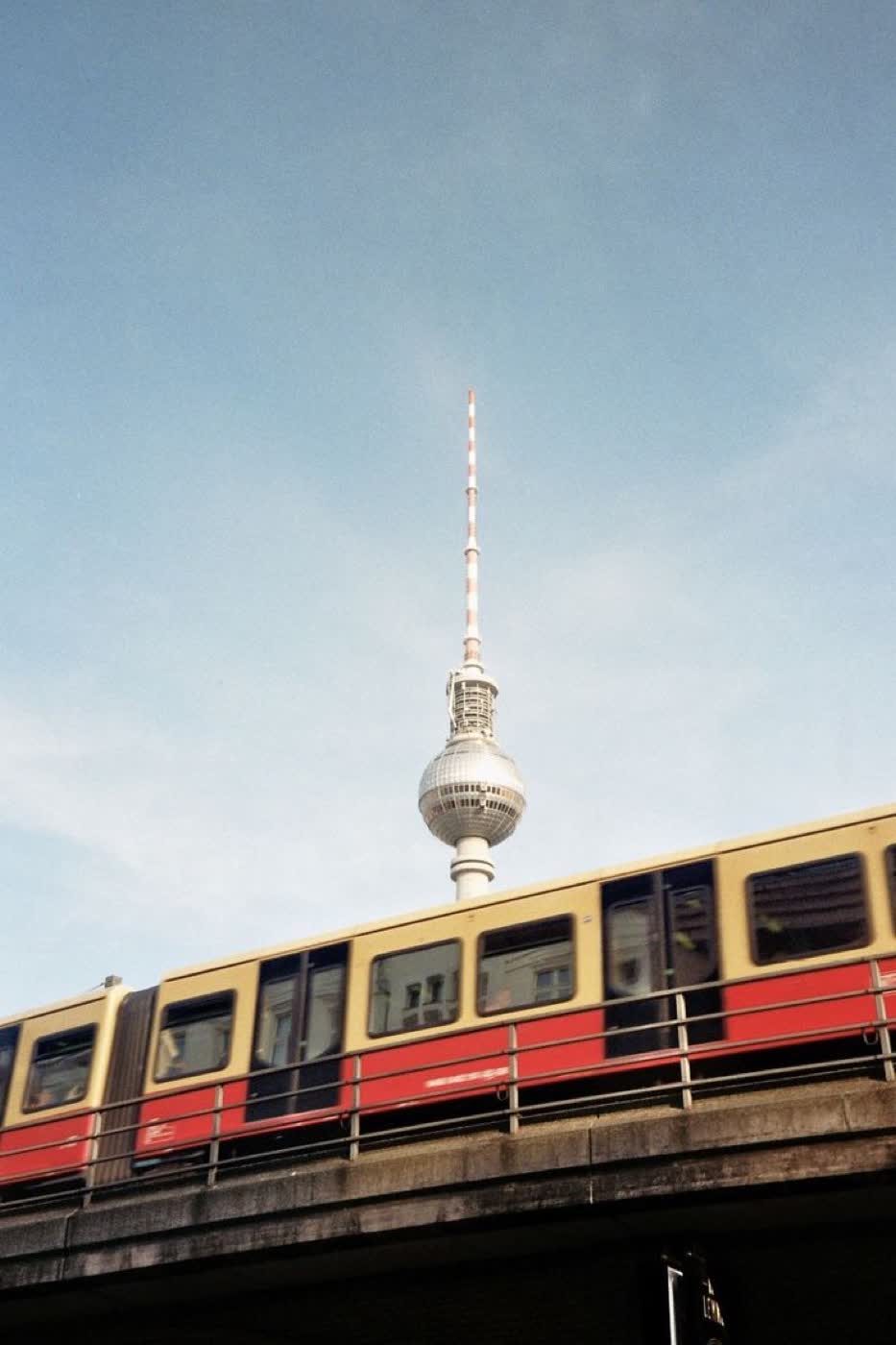
There's a running joke in the Dutch music scene: if you haven't heard from a producer in a while, check Berlin. Chances are they're living in a flat in Neukölln, paying half the rent they would in Amsterdam, and finally finishing that EP they've been sitting on for two years.
It's a cliché — but like most clichés, it's rooted in something real.
The Pull of Berlin
Berlin's magnetic hold on electronic music talent from around the world is well documented. After German reunification in 1989, the city became a playground for underground culture — full of abandoned spaces that became natural homes for the kinds of renegade parties that had been sweeping across Europe. By the early 2000s, with dance scenes contracting elsewhere, Berlin drew in techno producers, DJs, and fans from across the globe, attracted by cheap rents and easy access to artist visas. /
For Dutch producers specifically, the draw has always been about more than just affordability. It's about creative infrastructure. Independent labels and recording studios in Berlin operate with a palpable passion for good music and a willingness to take risks — essential ingredients for fostering musical innovation. / That environment is harder to find in Amsterdam, where the pressure to fill a room on a Friday night often outweighs the appetite for experimentation.
Amsterdam's Squeeze
The Netherlands has always punched above its weight in electronic music. Dutch producers and DJs have had a major influence on the development of EDM globally, popularizing genres like house, trance, and techno, backed by a strong infrastructure of record labels, media and festivals like Amsterdam Dance Event. /
But Amsterdam itself has become increasingly difficult to operate in as an artist. Due to regulation, urban regeneration and gentrification, nightlife activities and spaces in Amsterdam are increasingly dispersed across the city / — and the economics are punishing. In 2024, Amsterdam was the city with the highest rental prices in Europe. / As one nightlife figure put it bluntly: "Artists move out to Berlin. There's not much here in Amsterdam to stay for." /
That's not a fringe view. It's a sentiment echoed across the industry.
Berlin Protects What Amsterdam Loses
What makes the contrast especially sharp is how differently both cities treat club culture at a policy level. In Berlin, the policy emphasis lies on preservation — protection from gentrification through recognition of venues as cultural rather than entertainment spaces, sound isolation subsidies, and Berlin techno's UNESCO intangible heritage status earned in 2024. / Amsterdam, meanwhile, has taken a more entrepreneurial approach, with temporary permits and short-term cultural spaces that often end up accelerating gentrification rather than protecting against it.
The result? A city that generates incredible talent but struggles to retain it.
Not a One-Way Story
To be fair, Amsterdam isn't standing still. A 2025 study found that 90% of Amsterdam residents participated in nightlife, with strong consistent demand for night-time activities / — and the city has new initiatives underway, including a dedicated Institute for Night Culture in development near the Amstel. Amsterdam remains a global phenomenon, hosting world-renowned festivals like ADE, Dekmantel, and PITCH — and many artists operating from the city don't feel like 'Amsterdam artists' at all, but global ones who simply happen to be based there. /
And producers who move to Berlin don't disappear — they come back. They tour, they release, they collaborate. The Amsterdam-Berlin pipeline runs both ways. The scene is richer for it.
What It Means for High Energy Dance Music
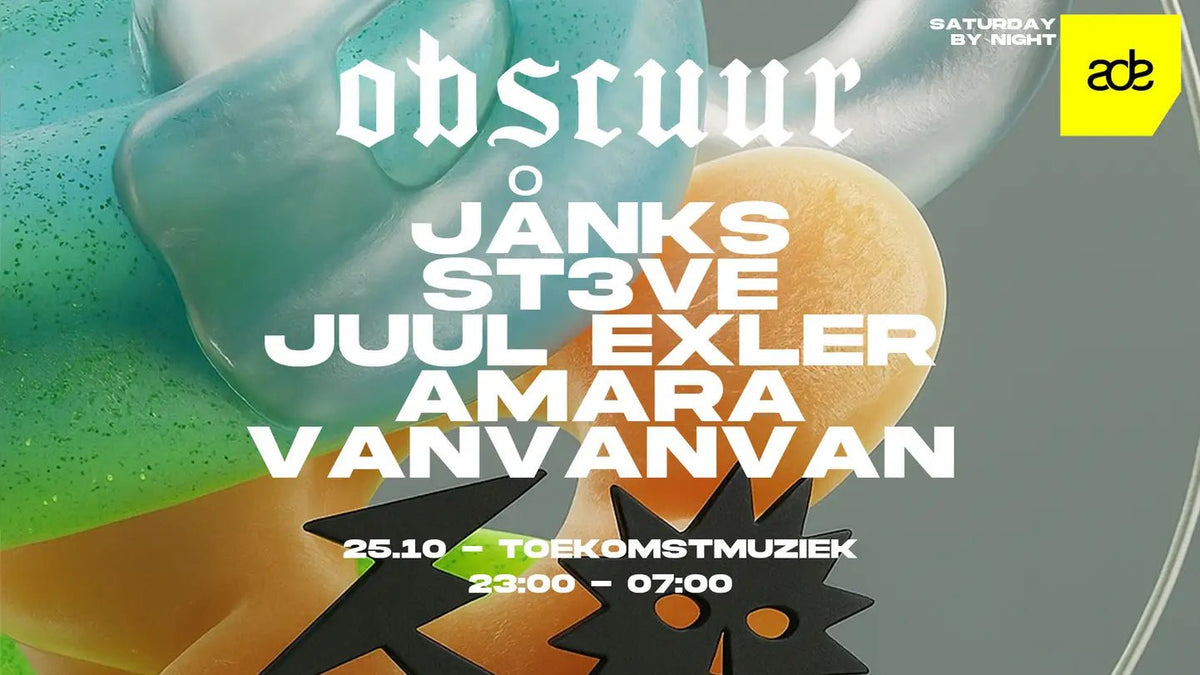
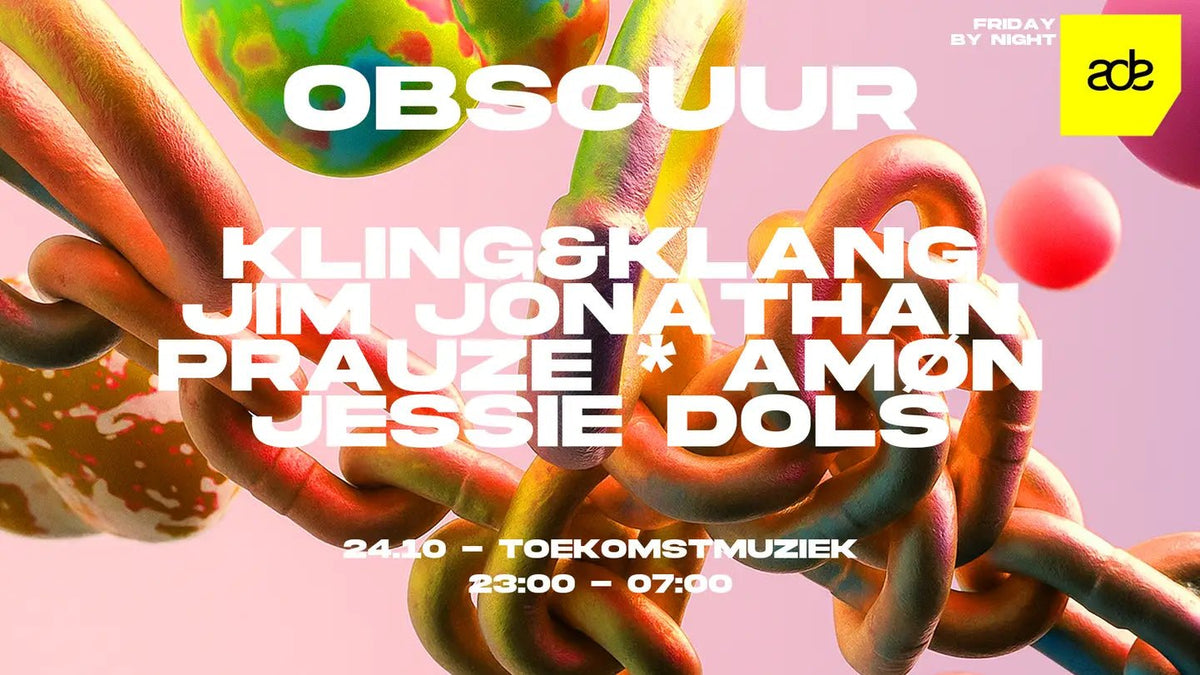
At OBSCUUR, we're based in both cities for exactly this reason. Amsterdam gives us the festival infrastructure, the industry connections, the ADE energy. Berlin gives our artists room to breathe, to experiment, to build. The best music in our catalog often comes from that tension — the Rotterdam gabber history, the Amsterdam house pedigree, and the Berlin freedom to push it somewhere new.
The Dutch producers heading to Berlin aren't abandoning the scene. They're expanding it.