Euphoric hardstyle, hard trance and hard house: the family tree of the fast sounds
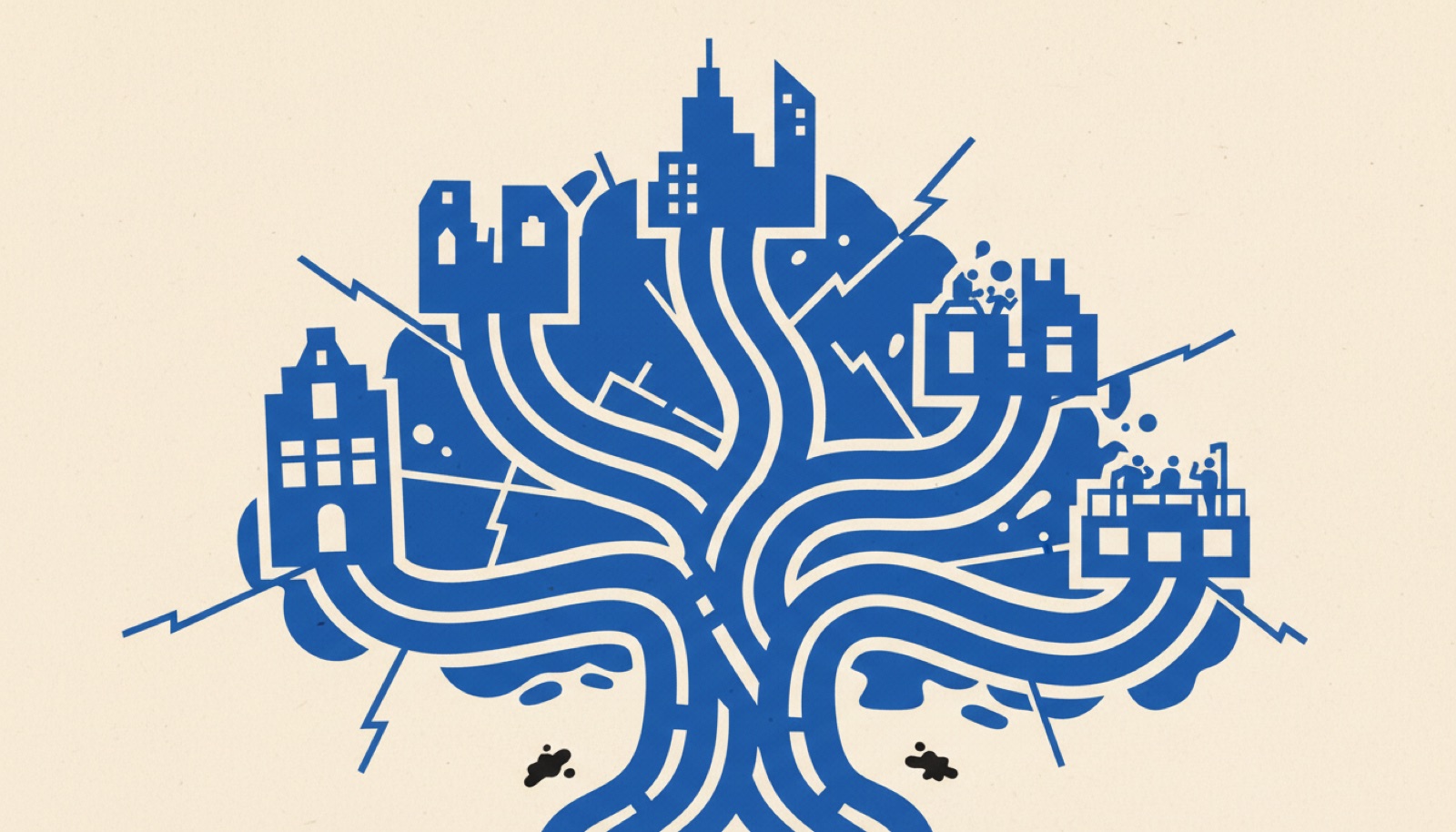
Euphoric hardstyle, hard trance and hard house are cousins. All three run fast, all three are built for big rooms and all three put the drop and the hands-in-the-air moment first. They grew up in different places, though: hardstyle in the Netherlands, hard trance in Germany, hard house in the UK. This guide maps how they relate, so you know what you are hearing and where to dig next.
What is the difference between hardstyle, hard trance and hard house?
The short version is geography, tempo and attitude.
Hardstyle is a Dutch sound that grew out of the harder end of the hardcore scene in the early 2000s. It sits at roughly 150 BPM and is known for its heavily processed kick drum. It has since split into branches, with euphoric hardstyle the most melodic.
Hard trance took the long builds and big melodies of trance and pushed them harder and faster. Germany was an early home for the sound in the 1990s. It sits at the tougher end of the trance family.
Hard house came out of the UK club scene in the 1990s. It takes the bounce of house and speeds it up, with a driving, party-first feel.
The tempos overlap, and that overlap is why DJs can move between the three in one night without the floor noticing a gear change.
Where does euphoric hardstyle fit in the family tree?
Think of hardstyle as the youngest branch, with the others as older relatives.
Trance gave the wider dance world its taste for melody, tension and release. Hard house showed that a fast, four-to-the-floor groove could carry a whole night. Hardstyle then borrowed that taste for big emotional moments and pointed it at a heavier kick.
Euphoric hardstyle is where the melodic side leads. The lead lines are front and centre, and the track is built around a singalong moment. That is why people often describe it as the point where hardstyle and trance meet. Trance fans tend to find it easy to get into, even if the kick is harder than they are used to.
Why do these fast genres keep crossing over?
They share the same job. Each one exists to take a packed room from a build to a release, then do it again.
They also share a crowd. Plenty of ravers who start with trance end up at a hardstyle stage, and plenty of hard house regulars follow the tempo up. Producers move between the styles too, because the toolkit is similar: a strong groove, a hook people can remember and a drop that lands.
For the label side, this is how the scene works in practice. At OBSCUUR, a house-led catalogue sits next to trance-tagged records, and our listeners do not treat them as separate worlds. Fast, high-energy dance music is a spectrum, not a set of boxes.
Where can you hear trance and dance on OBSCUUR?
We do not file anything under hardstyle, but some of the current catalogue sits close to the trance side of this family. All three are tagged Dance/Trance:
- Symmetrik – Stay In Love (2026)
- HACKETT – Thin Air (2026)
- Trans-AM – Get The Vibe (2026)
If you want more of the same artists, the Trans-AM artist page lists their releases with us. For the full roster, head to the artists page.
How to explore the fast sounds
Start with the branch closest to what you already like.
- If you love trance melodies, try euphoric hardstyle first. The emotional build will feel familiar.
- If you live for house grooves, try hard house. It is the same bounce at a higher speed.
- If you want the heaviest hit, go to hardstyle and work back towards the others.
Then listen across the tempos. The point of the family tree is that the branches touch. A good fast set often runs through two or three of them without announcing it.
Producers working in this space can send demos through our submissions page, and you can catch our sessions on the live page.
Fast music has a long family history, and every branch still shares the same pulse.