Edits, bootlegs and remixes: what is allowed and what gets you a takedown
An official remix is made with permission from the rights holders, and it can be released. A bootleg is made without permission and, in most cases, cannot be released legally. An edit sits in between: a light rework of a track, usually for DJ use, whose status depends on who made it, what was changed and where it ends up. Playing an edit in a club is one thing. Uploading it, selling it or putting it on streaming services is another, and that is where takedowns happen.
What is the difference between an edit, a bootleg and a remix?
The words get used loosely, so it helps to pin them down.
A remix is an official reworking. The rights holders have agreed to it, usually in writing, and the remixer is credited and paid on agreed terms. Labels commission remixes, or approve them when a producer asks.
A bootleg is an unofficial reworking. Nobody asked, nobody agreed. It might be a new arrangement built on an existing vocal, or a track flipped into a different genre. The skill can be real. The permission is missing.
An edit is the loosest term. It can mean a DJ-friendly extended intro, a trimmed breakdown, a tempo change or a swapped section. Some edits are made by the artist or label and are fully cleared. Many are made by DJs for their own sets and never leave the USB stick. Others get uploaded, and that is when the label on the file stops mattering.
The name you give the file changes nothing. Legally, what counts is whether you used someone else’s recording or composition and whether you had permission.
Who owns what, and whose permission do you need?
A finished track usually has two layers of rights.
- The recording (master). The actual audio. This is normally owned by the label or the artist.
- The composition (publishing). The melody, lyrics and underlying song. This is owned by the writers and their publishers.
If your edit or bootleg uses the original audio, you are using the master. If it also keeps the melody or topline, you are using the composition. Even a recreated or replayed version of a song can still need publishing clearance. Changing the pitch, chopping the vocal or adding a new kick does not remove either layer of rights.
This is why an official remix needs agreement from the people who control those rights. It also explains why a label cannot simply wave an unofficial edit through when the track is built on someone else’s work.
What gets a track taken down?
Takedowns usually come from one of three places.
- Automated matching. Platforms such as YouTube and SoundCloud scan uploads against databases of registered music. If your edit contains recognisable audio from a registered track, it can be blocked, muted or monetised by the rights holder without a human ever listening.
- A direct complaint. A label, artist or publisher sends a notice to the platform. The upload comes down and repeated notices can put your account at risk.
- A distribution check. If you try to release an edit or bootleg through a digital distributor, it may be rejected, or removed later, once the rights holders object or the audio is matched.
The common thread is public availability. A file in your private DJ folder rarely causes trouble. A public upload, a paid download or a streaming release is where unlicensed use gets noticed.
Some platforms that host DJ mixes operate under licences with rights organisations, which is a different situation from uploading a standalone edit. A licensed mix platform does not make a stand-alone bootleg release legal.
How do you do it properly?
If you want your reworking to live in public, the route is simple, if not always fast.
- Ask first. Contact the label or artist behind the track before you finish the project, not after it is on SoundCloud.
- Get it in writing. A clear yes from the rights holders is what turns a bootleg into an official remix.
- Credit and clear everything. Samples, vocals and any extra material you add need to be cleared too.
- Keep unofficial edits to your own sets. If you have no permission, treat the edit as a tool for the dancefloor and not a release.
- Make something original. The cleanest route is your own track, with your own drums, your own hook and nothing borrowed.
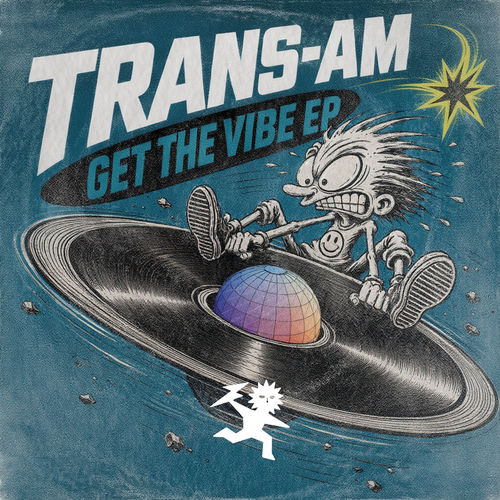
Original music is where edits and remixes start. Records such as Hackett – Thin Air (2026) and Trans-AM – Get The Vibe (2026) are the kind of source material that remixers and DJs go on to rework, and the same goes for Saul High – Run Tha Streetz (2026). Each of them began as someone’s original idea, which is why permission matters.
Producers who want to be heard properly can send original work through our submissions page. To see who is already on the roster, browse the artist pages.
Ask before you release, and the dancefloor will thank you without the takedown notice.