A short history of house music: Chicago to now
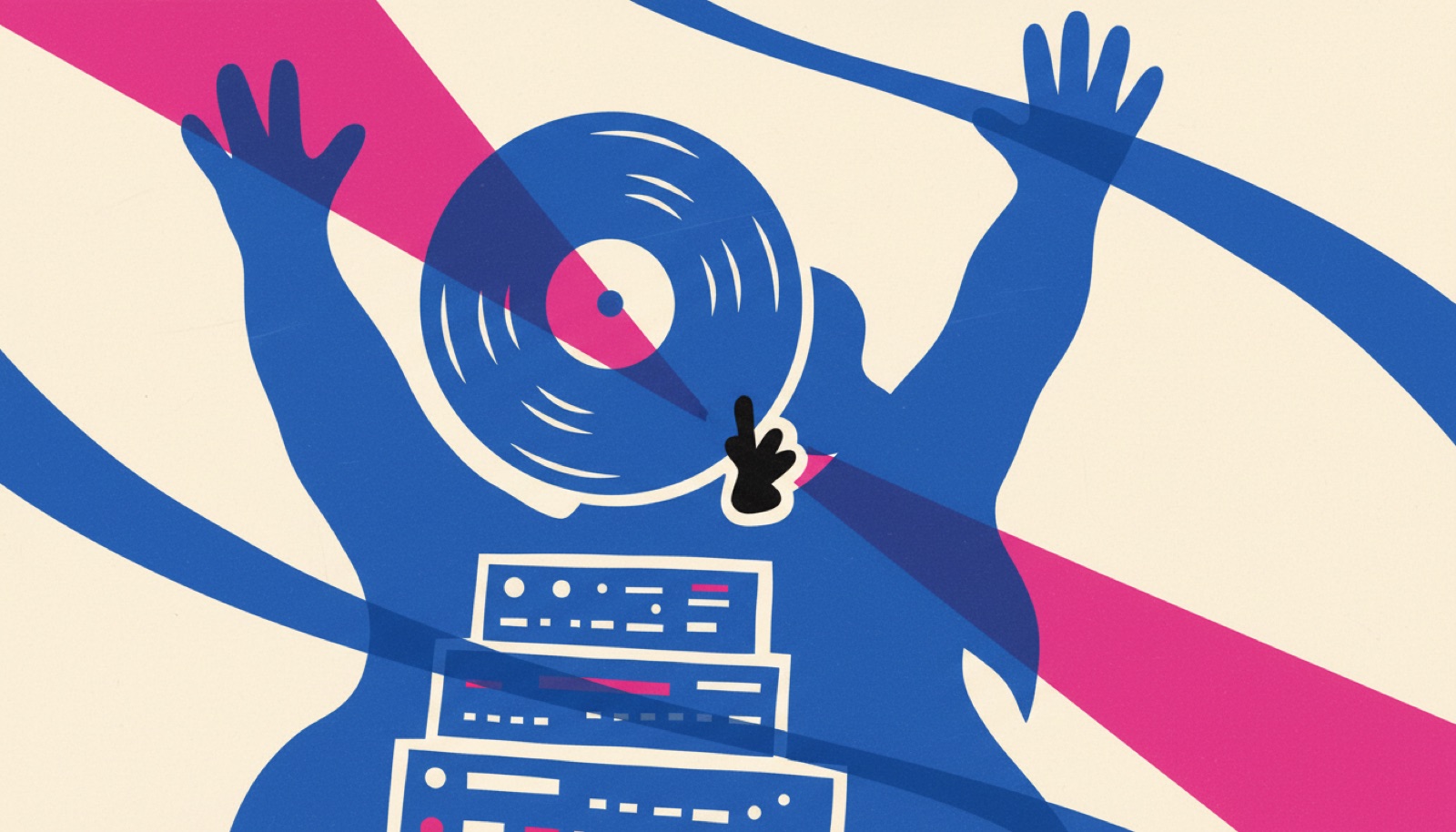
House music began in Chicago in the early 1980s, built around the drum machine, the bassline and a DJ who never let the floor drop. It travelled to New York, Detroit, the UK and Europe, split into dozens of sub-genres, and became the backbone of modern club culture. Four decades on, its fingerprints are on almost everything we play, from garage and bounce to hard house and trance.
Where did house music start?
House started in Chicago, and the name is widely traced to The Warehouse, a club where Frankie Knuckles played in the late 1970s and early 1980s. Knuckles had come from New York and brought the disco and soul he loved with him. He stretched records, edited them and layered drum machine patterns underneath.
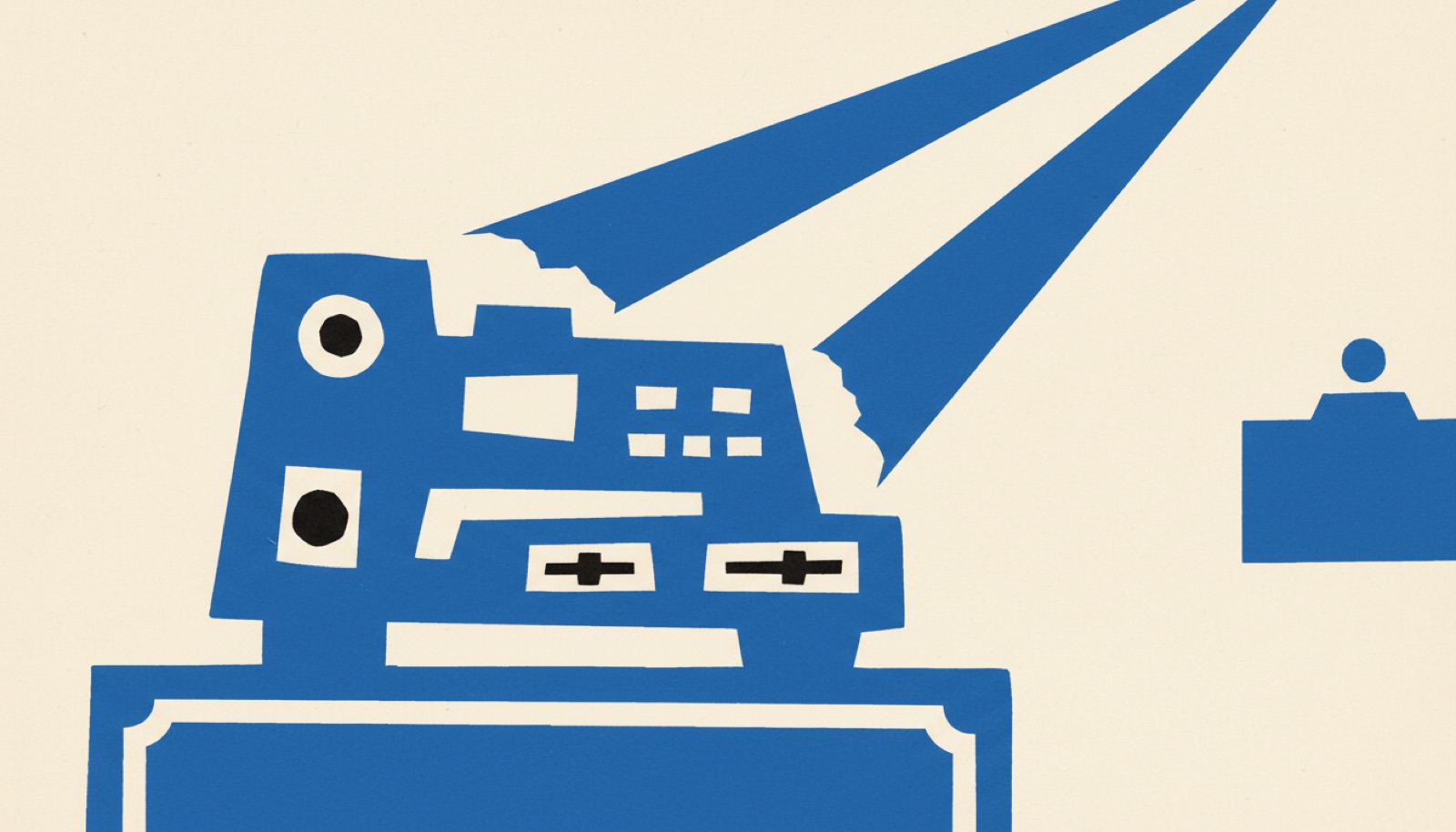
When disco fell out of fashion on the radio, the dancefloor did not. Local DJs and producers kept the energy and swapped the orchestras for machines. Cheap gear made it possible: the Roland TR-808 and TR-909 drum machines and the TB-303 bass synth were affordable, and they ended up defining the sound.
The core idea was simple. A steady four-on-the-floor kick, a rolling bassline, vocals or samples on top, and a mix that could run for hours. Chicago labels pressed the records fast and sold them locally. DJs such as Ron Hardy at the Music Box pushed the sound harder and rawer.
How did house music spread beyond Chicago?
Once the records left the city, scenes formed wherever people were ready to dance. Detroit developed techno in parallel, with a colder, more futuristic edge, and the two scenes fed each other. New York had its own tradition of soulful, vocal-led club music, often grouped under garage after the Paradise Garage, where Larry Levan was resident.
Then came acid house. In 1987 the track Acid Tracks by Phuture turned the squelching TB-303 into a signature sound. It crossed the Atlantic quickly. By 1988 British clubs and warehouse parties were running on it, and the UK press later dubbed that summer the Second Summer of Love. Ibiza, Manchester and London became house cities in their own right.
From there the map kept widening. Dutch and German promoters picked it up, and Amsterdam and Berlin built club scenes that still shape the sound today. The music was easy to make, easy to mix and impossible to keep in one place.
What are the main styles that grew out of house?
House never stayed one thing. A rough family tree looks like this:
- Deep and soulful house: warmer, more melodic, closer to its disco roots.
- Acid house: built around the resonant 303 line.
- Garage: vocal-led and shuffling. UK garage later developed its own identity, and tracks like Prinsezy – Sexy Garage (2025) carry that lineage in the title.
- French touch and filter house: late 1990s, built on loops, filters and sampled disco.
- Tech house and progressive house: longer builds, tighter grooves.
- Hard house, bounce and trance: faster, bigger and made for peak-time rooms.
The lines between these blur constantly. A trance producer will borrow a house bassline, a garage record will lean on a bounce kick, and a DJ will move through all of it in one set. That cross-pollination is the genre’s real strength.
Where is house music now?
Today house is everywhere, from small basements to festival main stages, and it keeps absorbing whatever is around it. Producers use the same core tools their predecessors did, drums, bass and a hook, but with modern production and a global audience. The tempo has crept up in many rooms, and high energy dance music is where a lot of the younger crowd lives.
At OBSCUUR, that is the territory we work in. Recent releases such as Shugz – Keys To The Rave (2026), Liam Parkins – Ravers (2025) and Social Machine – Fantasy (2026) show how the label sits in that lineage. You can browse everyone on the roster on the artists page, catch the latest on the live sessions page, or send in your own music through submissions.
The machines have changed a little, but the idea from that Chicago floor still holds: keep it moving.